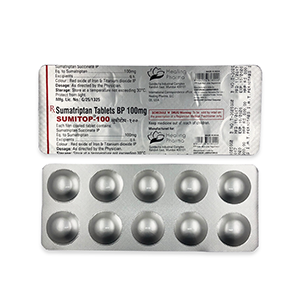
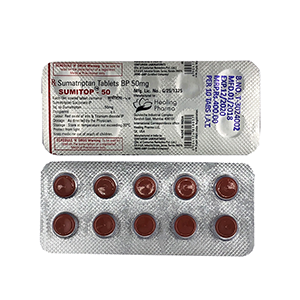
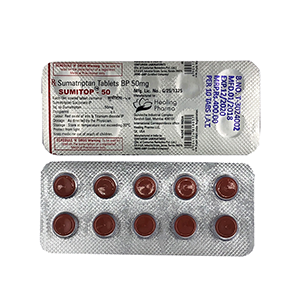
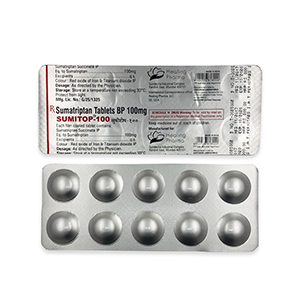
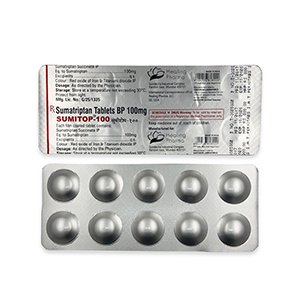
Sumatriptan is a prescription medication belonging to the triptan class of drugs, used for the acute treatment of migraine attacks with or without aura and certain types of cluster headaches. It is designed to relieve symptoms once a headache has begun and is not intended to prevent migraines or reduce the frequency of future attacks.
The medication works by selectively activating serotonin (5-HT1B/1D) receptors in the brain. This action causes dilated blood vessels to constrict and reduces the release of inflammatory neuropeptides that contribute to migraine pain. As a result, Sumatriptan helps relieve headache pain as well as associated symptoms such as nausea, vomiting, and sensitivity to light and sound.
Sumatriptan is most effective when taken at the first sign of a migraine or cluster headache. It is available in several dosage forms, including tablets, nasal sprays, and injectable formulations, allowing treatment to be tailored to individual patient needs. If symptoms return after initial relief, an additional dose may be taken as directed by a healthcare provider, provided the maximum recommended daily dose is not exceeded.
Common side effects may include dizziness, drowsiness, flushing, tingling sensations, fatigue, nausea, and feelings of pressure or tightness in the chest, neck, or throat. Although rare, serious cardiovascular events may occur in patients with underlying heart disease or significant cardiovascular risk factors.
Before taking Sumatriptan, patients should inform their healthcare provider about any history of heart disease, stroke, uncontrolled high blood pressure, liver disease, or medications they are taking, especially other triptans, ergot-containing drugs, or antidepressants that may increase the risk of serotonin syndrome. When used as prescribed, Sumatriptan provides fast and effective relief from migraine and cluster headache attacks, helping patients return to their normal daily activities.
 CATEGORY