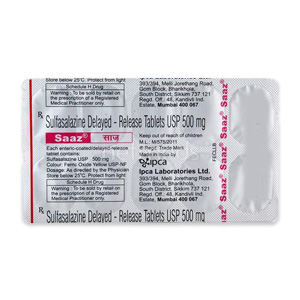
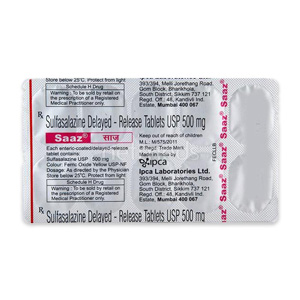
Sulfasalazine is a prescription medication classified as a disease-modifying antirheumatic drug (DMARD) and anti-inflammatory agent. It is commonly used to treat rheumatoid arthritis, juvenile idiopathic arthritis, and inflammatory bowel diseases such as ulcerative colitis. The medication helps reduce inflammation, relieve symptoms, and slow the progression of certain chronic inflammatory conditions.
Sulfasalazine works by modulating the immune system and decreasing the production of inflammatory substances that contribute to joint damage and intestinal inflammation. Although its exact mechanism of action is not fully understood, it has been shown to effectively reduce pain, swelling, stiffness, and disease activity in many patients.
For rheumatoid arthritis, Sulfasalazine is often used alone or in combination with other DMARDs to improve joint function and prevent long-term damage. In patients with ulcerative colitis, it helps control inflammation in the colon, induce remission during active disease, and maintain remission to reduce the frequency of flare-ups.
Common side effects may include nausea, abdominal discomfort, loss of appetite, headache, rash, and temporary yellow-orange discoloration of the urine or skin. More serious side effects, such as liver problems, blood disorders, severe allergic reactions, or reduced white blood cell counts, may occur and require prompt medical attention. Regular blood tests are often recommended during treatment.
Before taking Sulfasalazine, patients should inform their healthcare provider about any allergies to sulfonamides or salicylates, liver or kidney disease, blood disorders, or medications they are currently taking. When used as prescribed and monitored appropriately, Sulfasalazine can effectively manage chronic inflammatory diseases and improve long-term health outcomes.
 CATEGORY