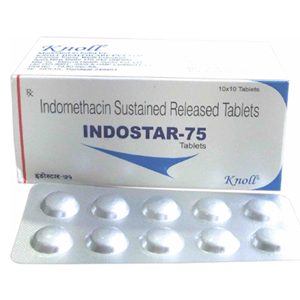
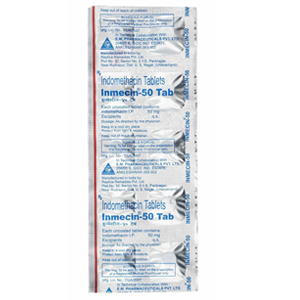
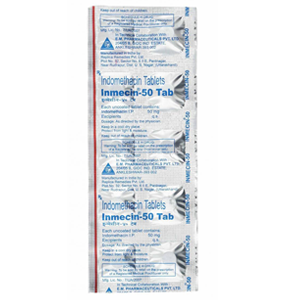
Indomethacin is a prescription nonsteroidal anti-inflammatory drug (NSAID) used to reduce pain, inflammation, and swelling associated with a variety of musculoskeletal and inflammatory conditions. It is commonly prescribed to treat osteoarthritis, rheumatoid arthritis, ankylosing spondylitis, acute gout attacks, bursitis, tendonitis, and other conditions involving joint and soft tissue inflammation.
The medication works by blocking the production of prostaglandins, substances in the body that contribute to pain, inflammation, and fever. By inhibiting cyclooxygenase (COX) enzymes, Indomethacin helps relieve joint pain, reduce stiffness, improve mobility, and decrease inflammation.
Indomethacin may be used for both short-term treatment of acute pain and long-term management of chronic inflammatory diseases, depending on the patient's condition. It should be taken exactly as prescribed, preferably with food or milk to help reduce stomach irritation.
Common side effects include stomach pain, heartburn, nausea, headache, dizziness, drowsiness, and indigestion. Like other NSAIDs, Indomethacin may increase the risk of gastrointestinal bleeding, stomach ulcers, cardiovascular events, kidney problems, and elevated blood pressure, particularly with prolonged use or in high-risk patients.
Before taking Indomethacin, patients should inform their healthcare provider about any history of heart disease, stroke, stomach ulcers, liver or kidney disease, asthma, allergies to NSAIDs, and all medications they are currently taking. When used appropriately under medical supervision, Indomethacin provides effective relief from pain and inflammation while helping improve daily function and quality of life.

 CATEGORY